

Skyeaglee Wastewater H2S Monitoring System
Release time:2026-10-09
Source:来源
Case Study: Evaluating Odor Control Efficiency in Wastewater Treatment
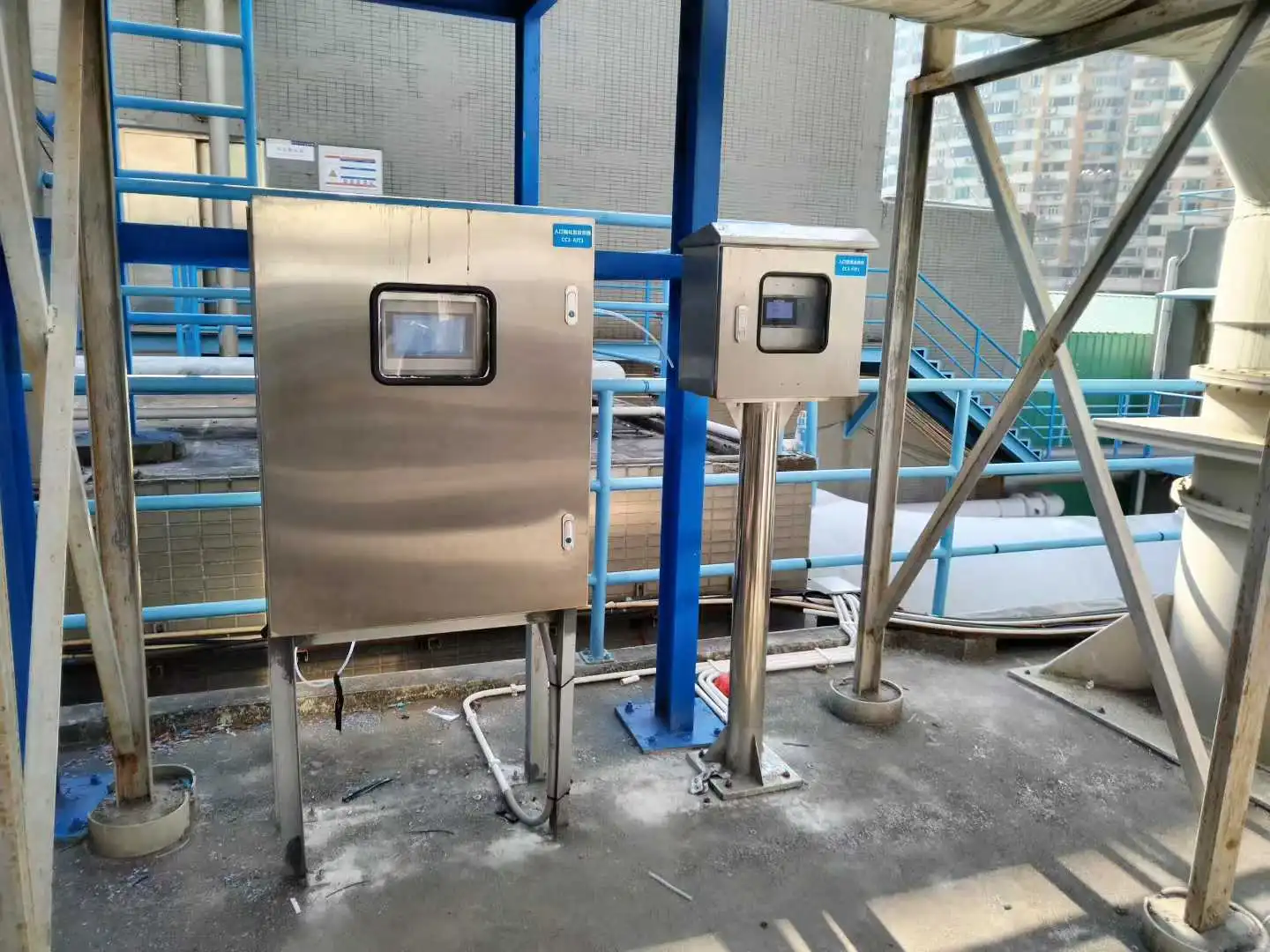
The Application Scenario: Outdoor Biological Deodorization Facilities
At modern municipal and industrial wastewater treatment plants, controlling highly toxic and corrosive odors is a critical environmental mandate. This case showcases our heavy-duty, stainless steel Wastewater H2S Monitoring System deployed directly on an outdoor platform alongside a biological deodorization tower. Using specialized PTFE sampling lines connected directly to the massive main exhaust pipelines, the system continuously extracts and analyzes the waste gas before and after it undergoes the scrubbing process.
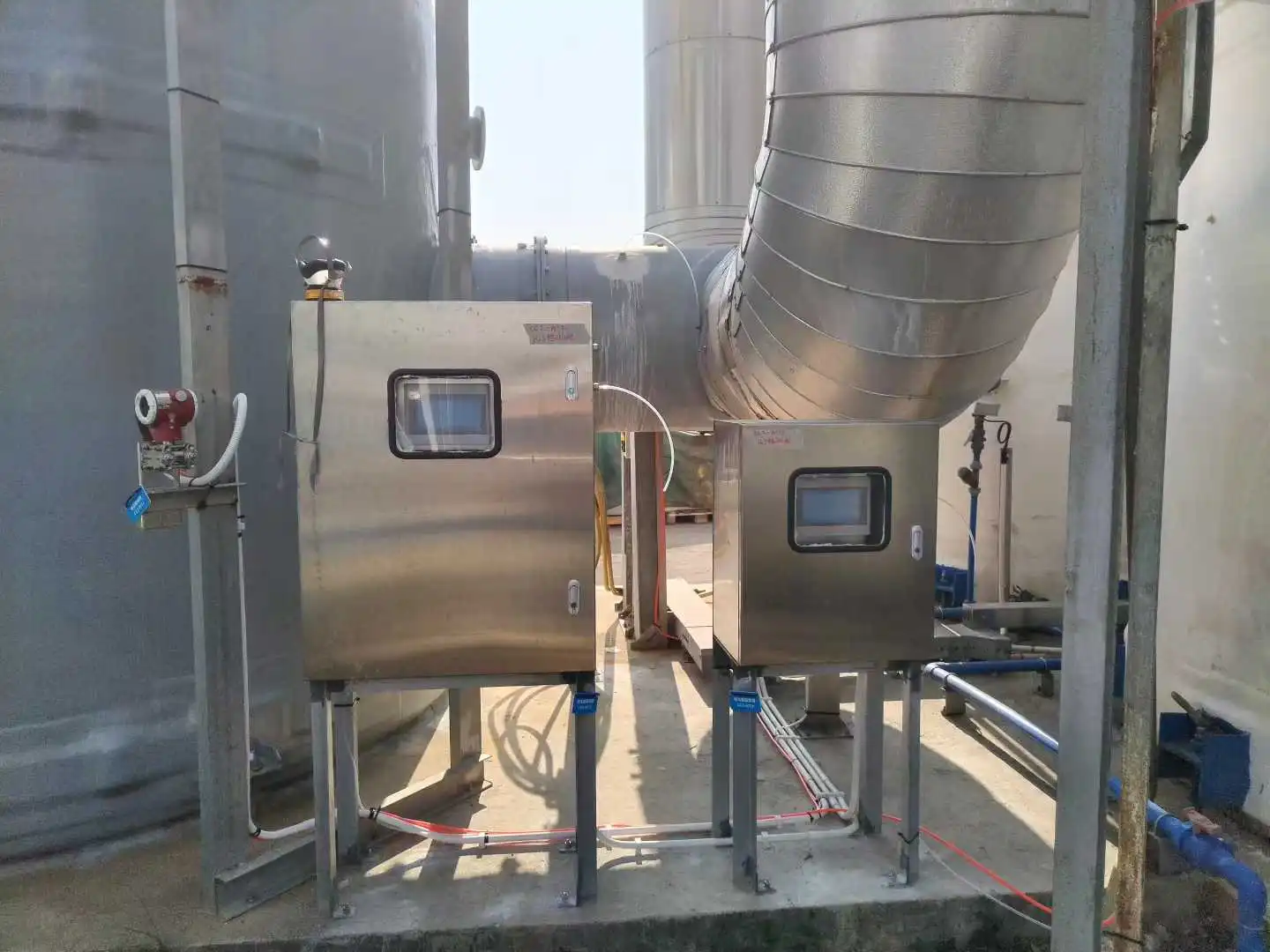
Why Deploy a Continuous H2S Emission System?
Hydrogen Sulfide (H2S) is the primary culprit behind the foul odors and severe corrosion found in sewage processing. Deploying a dedicated Odor Control Gas Monitor serves two essential operational purposes:
1. Real-Time Purification Efficiency Assessment
As seen in the installation, we utilize a dual-point monitoring strategy. One H2S Online Gas Analyzer cabinet is installed at the inlet of the scrubber, and another at the outlet. By continuously comparing the high H2S concentration entering the tower against the low concentration exiting it, plant operators can calculate the exact purification efficiency of the biological deodorization system in real-time. If the efficiency drops, the system alerts the control room to adjust chemical dosing or check filter media.
2. Rugged Durability for Harsh Environments
Wastewater treatment environments are notorious for high humidity, corrosive vapors, and extreme outdoor weather. This Continuous H2S Emission System is engineered with heavy-duty stainless steel enclosures to protect the sensitive internal analysis modules. This ensures stable, 24/7 unstaffed operation, providing reliable data for environmental compliance reporting without frequent maintenance downtime.
Case Study: Evaluating Odor Control Efficiency in Wastewater Treatment
The Application Scenario: Outdoor Biological Deodorization Facilities
At modern municipal and industrial wastewater treatment plants, controlling highly toxic and corrosive odors is a critical environmental mandate. This case showcases our heavy-duty, stainless steel Wastewater H2S Monitoring System deployed directly on an outdoor platform alongside a biological deodorization tower. Using specialized PTFE sampling lines connected directly to the massive main exhaust pipelines, the system continuously extracts and analyzes the waste gas before and after it undergoes the scrubbing process.
Why Deploy a Continuous H2S Emission System?
Hydrogen Sulfide (H2S) is the primary culprit behind the foul odors and severe corrosion found in sewage processing. Deploying a dedicated Odor Control Gas Monitor serves two essential operational purposes:
1. Real-Time Purification Efficiency Assessment
As seen in the installation, we utilize a dual-point monitoring strategy. One H2S Online Gas Analyzer cabinet is installed at the inlet of the scrubber, and another at the outlet. By continuously comparing the high H2S concentration entering the tower against the low concentration exiting it, plant operators can calculate the exact purification efficiency of the biological deodorization system in real-time. If the efficiency drops, the system alerts the control room to adjust chemical dosing or check filter media.
2. Rugged Durability for Harsh Environments
Wastewater treatment environments are notorious for high humidity, corrosive vapors, and extreme outdoor weather. This Continuous H2S Emission System is engineered with heavy-duty stainless steel enclosures to protect the sensitive internal analysis modules. This ensures stable, 24/7 unstaffed operation, providing reliable data for environmental compliance reporting without frequent maintenance downtime.
no data
Contact Us





Fill out the form